Flood Damage Cleanup
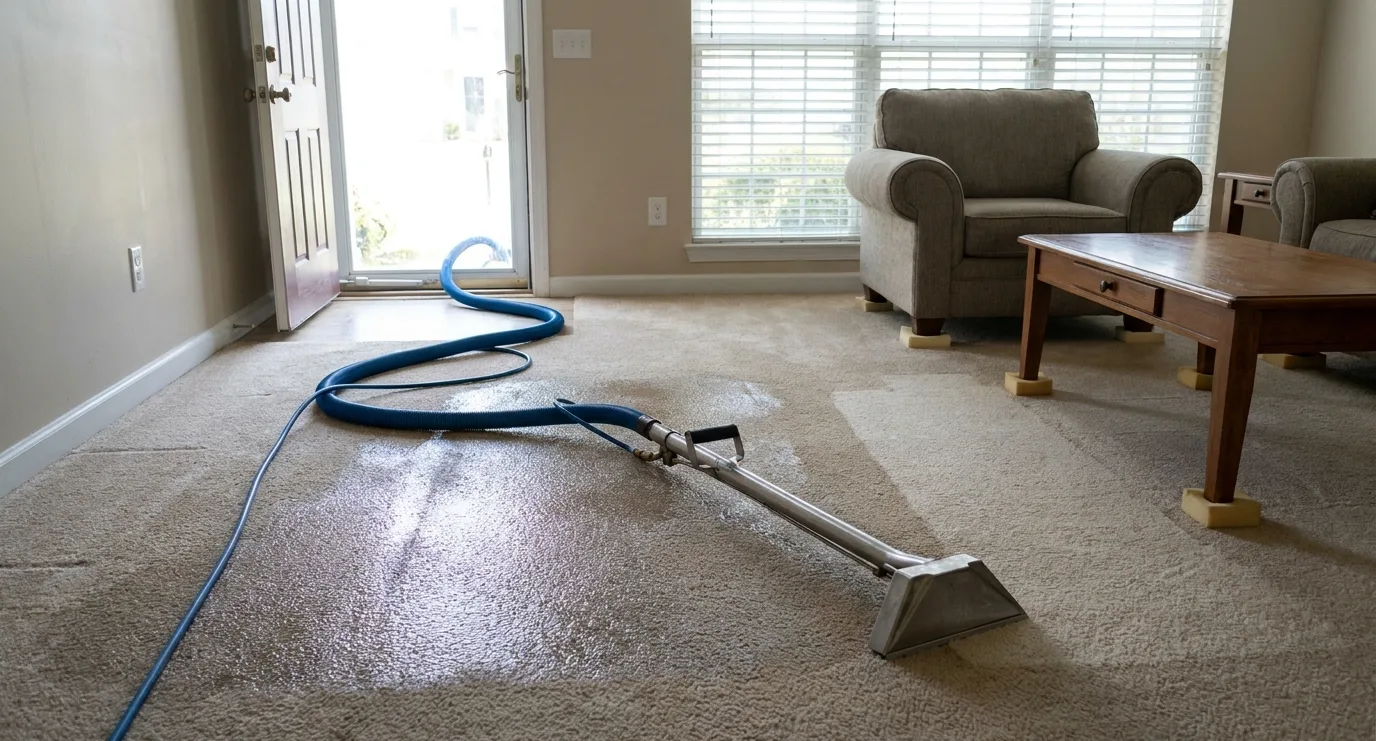
Technicians remove flood water layer by layer while checking for sediment trapped in carpet pads and underfloor cavities that continue feeding humidity back into the space.
Water damage restoration · the USA
Splash Pro Water Damage Restoration handles water extraction and drying across the USA by mapping moisture movement, controlling evaporation rates, and lowering humidity until materials reach stable dry standards.
Technicians use meters to locate hidden water behind surfaces and track how far saturation has traveled through connected materials.
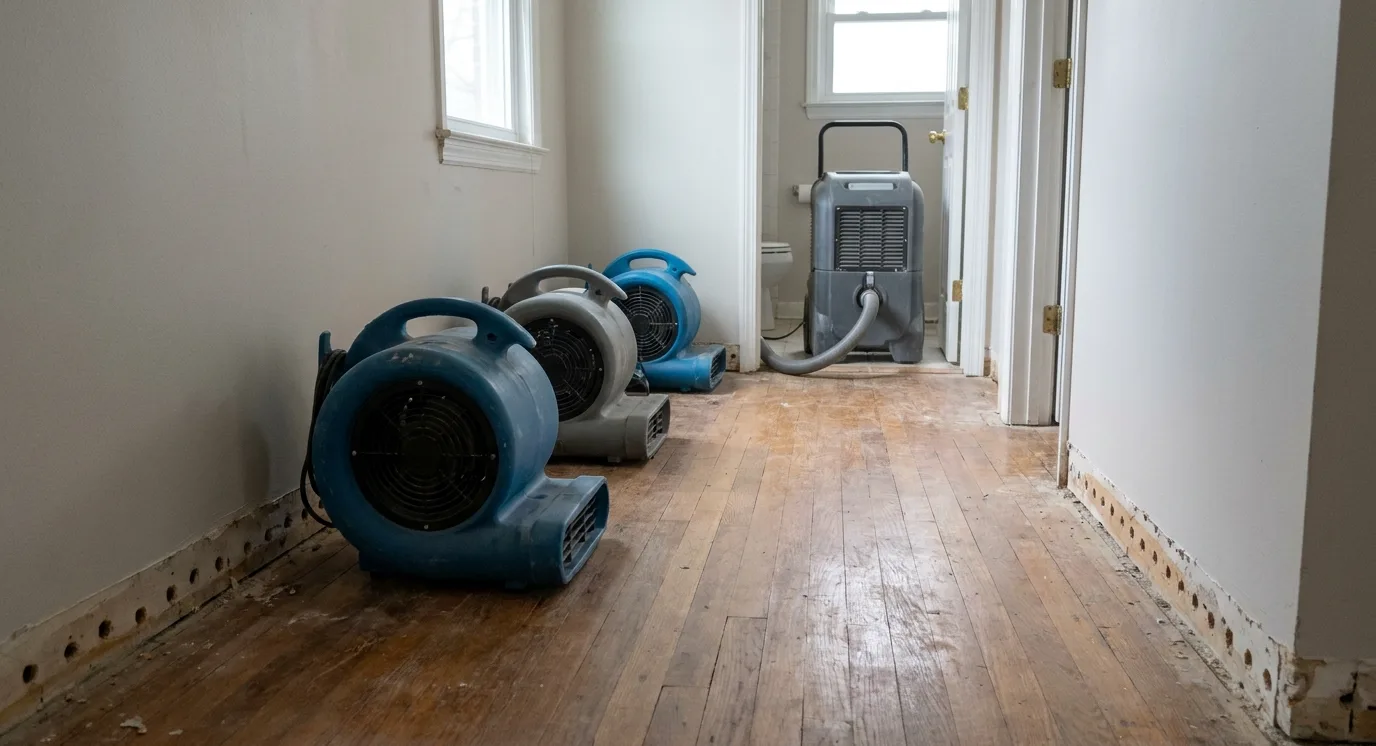
Fans are placed to pull moist air away from wet zones while pushing drier air across surfaces to speed evaporation.
Dehumidifiers lower room vapor pressure so water held in wood, drywall, and insulation can release without raising overall moisture.
Each service focuses on removing standing water first, then extracting bound moisture from building materials using equipment sized to the affected volume and type of construction.
Technicians remove flood water layer by layer while checking for sediment trapped in carpet pads and underfloor cavities that continue feeding humidity back into the space.
After water removal, crews isolate affected sections, capture airborne spores during demolition, and dry remaining framing to levels that prevent new growth.
Large air movers and desiccant units are staged to pull moisture from joists, subfloors, and load-bearing walls until readings match unaffected sections.
Water is extracted from the burst line path, then walls and ceilings are opened only where meters show saturation so drying can reach the full wetted area.
Standing effluent is pumped out, surfaces are cleaned to remove solids, and negative air is applied while drying proceeds to keep odors from migrating.
Technicians locate the leak origin, drain trapped water from ceiling cavities, and direct drying upward so gypsum board can release moisture without sagging further.
Sump discharge and perimeter walls are assessed for seepage points, then drying focuses on concrete and framing until vapor emissions drop to normal ranges.
Wind-driven water entry points are sealed, interior moisture is extracted from insulation and sheathing, and airflow is balanced to dry multiple rooms at once.
Water that has left visible puddles still soaks into flooring underlayment and wall cavities. Meters detect these pockets because surface drying alone allows hidden moisture to wick back into living spaces and raise indoor humidity. Technicians check baseboards, electrical outlets, and HVAC returns first because these locations show early migration patterns.
Homeowners can shut off the water supply at the main valve or appliance to stop additional flow. Electrical circuits serving wet rooms should be turned off at the panel if safe to reach. Moving lightweight furniture away from wet zones prevents staining while avoiding any attempt to vacuum or wipe standing water that may contain contaminants.
The sequence follows moisture from initial detection through final dry verification so every wetted material receives targeted treatment.
Technicians record moisture levels at multiple depths and locations to define the full extent of saturation before any equipment is placed.
Standing water is removed with pumps or wands sized to the volume, followed by extraction of water held in carpet and pad layers.
Air movers and dehumidifiers are arranged to create consistent airflow across wet surfaces while maintaining negative pressure where needed.
Final meter readings confirm materials have returned to acceptable moisture content before equipment is removed and the area is prepared for repairs.
Arrival begins with a full moisture survey that records readings on a floor plan. Extraction equipment removes bulk water, then air movers and dehumidifiers are positioned according to the survey. Technicians return daily to rotate equipment and recheck materials until equilibrium moisture content is reached across the affected assemblies.
Decisions start with moisture content data compared against manufacturer drying tolerances for each material. When readings stay elevated after maximum drying time, removal becomes necessary to protect adjacent assemblies. Technicians document which sections can remain in place once dry and which must be replaced to restore structural integrity.
Total cost depends on the volume of water removed, the number of building assemblies that must be dried, and the equipment runtime required to reach dry standards. Heavily saturated multi-story structures need more units running longer, while single-room incidents with quick extraction finish faster. The presence of contaminated water also increases steps for containment and cleaning before drying can begin.
Older construction often contains plaster over wood lath or multiple layers of flooring that trap water longer than modern materials. Technicians adjust drying times and equipment output to these assemblies. In rental units, work focuses on containing the affected area so unaffected units stay occupied while extraction and drying continue in the damaged space.
Drying duration varies with material thickness, initial saturation depth, and indoor humidity. Technicians adjust equipment daily based on meter readings until all tested locations reach equilibrium.
Only sections that meter readings show as holding trapped moisture are opened. Small inspection holes allow airflow into cavities without full demolition.
Unaffected rooms usually remain usable. Crews isolate work zones with containment so living continues elsewhere in the building during extraction and drying.
Carpet and pad are evaluated for salvage. When saturation is recent and clean, extraction and drying may restore them; contaminated or heavily soaked materials are removed.
Non-destructive meters and thermal imaging locate temperature and moisture differences behind finishes so drying focuses on actual wet zones rather than guesswork.
Technicians route power for equipment from unaffected circuits and avoid overloading panels. Temporary power is arranged only when existing service cannot support the load.
Contact Splash Pro Water Damage Restoration to begin moisture mapping and extraction on your property.