
About Splash Pro Water Damage Restoration
Splash Pro Water Damage Restoration receives calls reporting water intrusion and routes them to technicians who arrive with moisture meters and extraction tools. They trace how water moves through materials via capillary action, measure relative humidity in air and substrates, and establish airflow patterns that encourage evaporation without spreading moisture to unaffected zones. Homeowners learn what readings indicate active wicking and receive instructions on moving small items out of the way before equipment placement begins.
Questions about a job? Start on the Splash Pro Water Damage Restoration homepage or call (888) 537-0773.
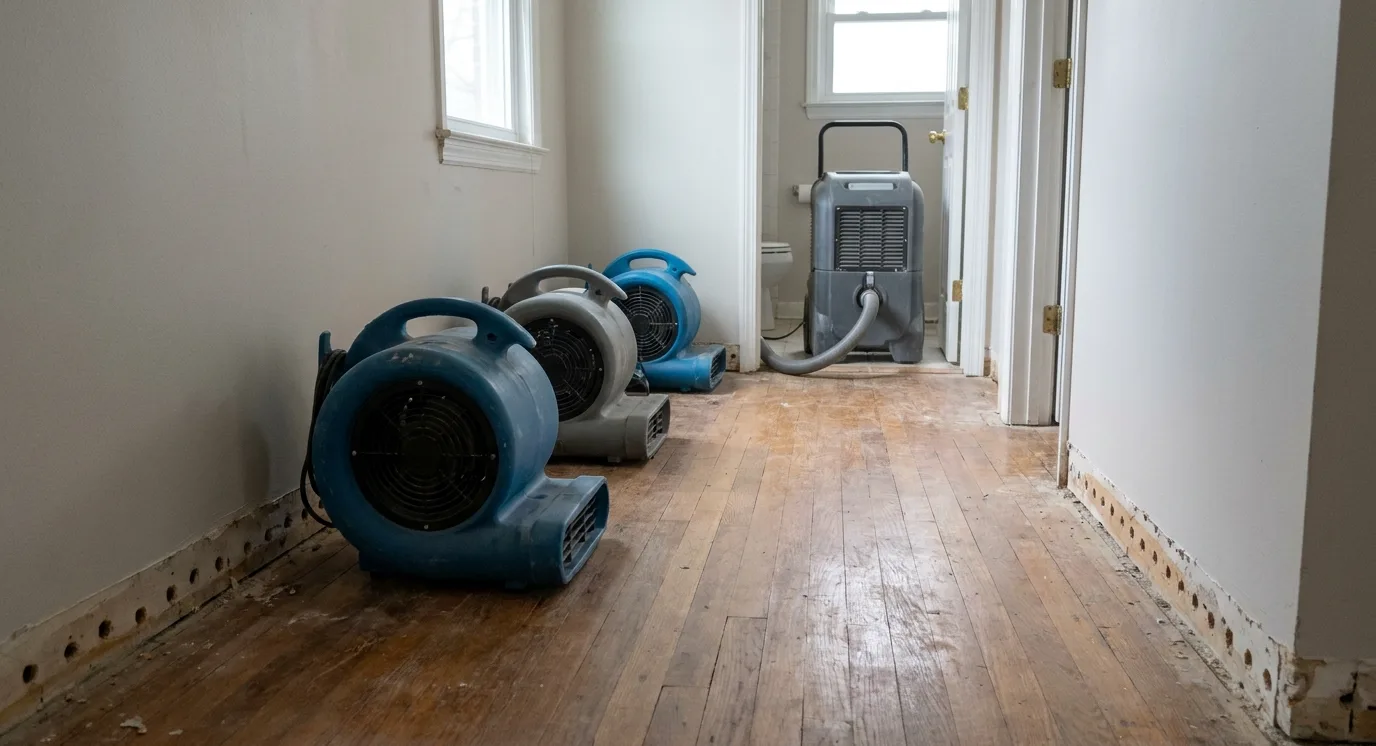
Moisture Path Tracing
Technicians follow water movement through materials with meters before placing any drying equipment to avoid treating only surface symptoms.
Daily Reading Reviews
Progress is checked each visit so airflow and dehumidification can be adjusted when one area dries faster than surrounding sections.
Homeowner Step Guidance
Simple safe tasks such as removing visible water from hard floors are explained so homeowners can reduce load on extraction tools.
Work Area Reset
After equipment removal all surfaces are cleaned and rooms are restored to original condition before the job is considered complete.
Call Intake and Dispatch
When a call reaches Splash Pro Water Damage Restoration the details of visible water, affected rooms, and any odor are recorded so the responding team can bring the correct extraction units and dehumidifiers. The technician confirms the source has been stopped where possible and notes any electrical hazards before entering. This information shapes the initial equipment load and the order of rooms checked for hidden saturation.
Technicians ask homeowners about recent leaks or appliance failures that might explain water movement behind walls or under floors. They record the answers on site to compare against meter readings later. This step prevents unnecessary demolition while directing airflow and extraction toward the actual moisture path rather than assumed locations.
On-Site Moisture Mapping
Once inside the property our technicians place moisture meters against floors, baseboards, and drywall to create a map of saturation depth. Readings above twenty percent indicate active wicking that will continue until airflow removes the water vapor. The map shows which materials must be dried in place and which may need removal to allow evaporation from deeper layers.
Humidity levels in the room air are measured next because high ambient moisture slows evaporation from wet surfaces. Technicians adjust dehumidifier settings to pull vapor out of the air while directing fans across wet materials. This sequence keeps drying rates steady and prevents condensation on cooler surfaces that could restart microbial growth.
Drying Sequence and Updates
Equipment is positioned to create consistent airflow across the wettest areas first, then toward less saturated zones. Technicians check meter readings daily and reposition fans or dehumidifiers when moisture levels drop in one section but remain elevated in another. Homeowners are shown the current readings and told why certain rooms stay closed off during this phase.
Each visit ends with a short summary of progress and any new findings such as water that has wicked farther than the first inspection revealed. The explanation covers what the numbers mean for drying time and whether additional extraction points are needed. Homeowners learn which household items can be safely returned to the space and which must stay out until readings normalize.
Final Clearance and Site Restoration
When moisture meters show levels consistent with unaffected materials the equipment is removed and surfaces are wiped to collect any remaining dust from drying. Technicians inspect cavities and underlayments one final time to confirm no standing water remains that could migrate later. The work area is returned to its pre-job layout with all removed contents placed back in original positions.
Homeowners receive a written list of actions they can take to maintain the dried condition, such as running exhaust fans during high-humidity weather. The list also notes signs that would require another check, like new staining on ceilings or floors. This closes the job with clear next steps rather than open-ended monitoring.